
Blog
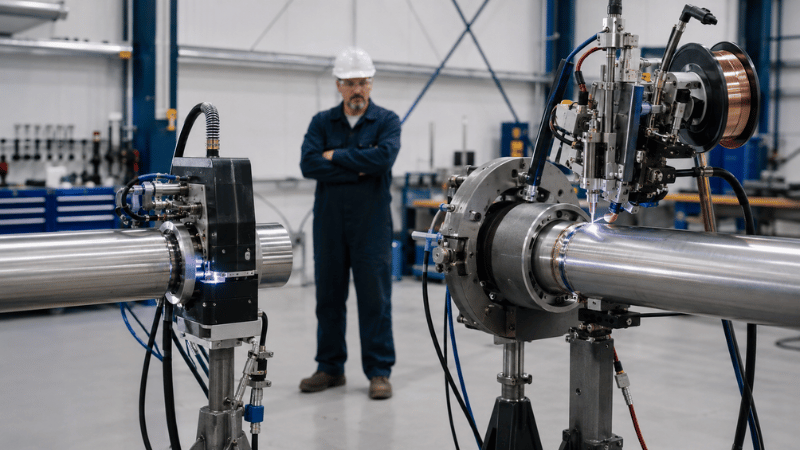
Fusion vs Wire-Feed Orbital Welding: Which Process Wins?
Choosing between fusion orbital welding and wire-feed orbital welding sounds simple: no wire versus wire.…
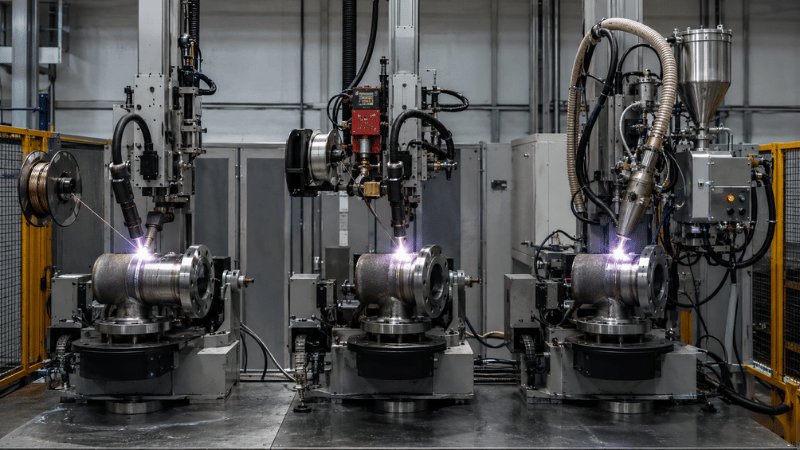
Hot-Wire TIG vs Cold-Wire TIG vs PTA Cladding
Choosing a cladding process is not a contest to find the machine with the biggest…
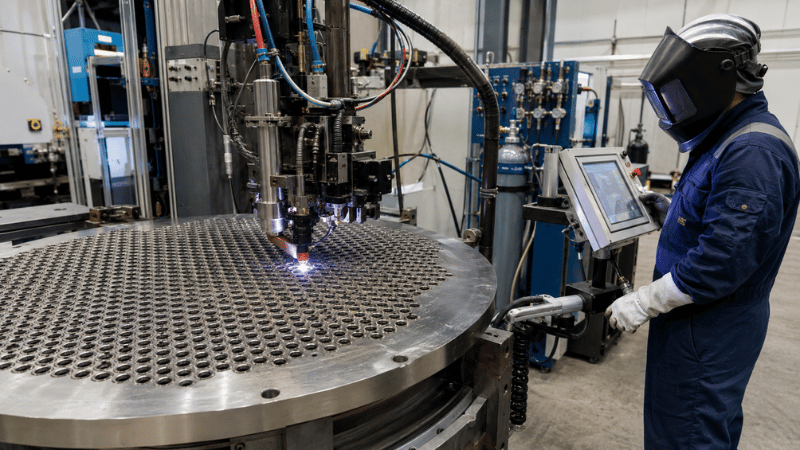
Tube Sheet Welding Machines: Types, Uses, and Selection
A tube sheet welding machine automates one of the most repetitive—and least forgiving—jobs in heat…
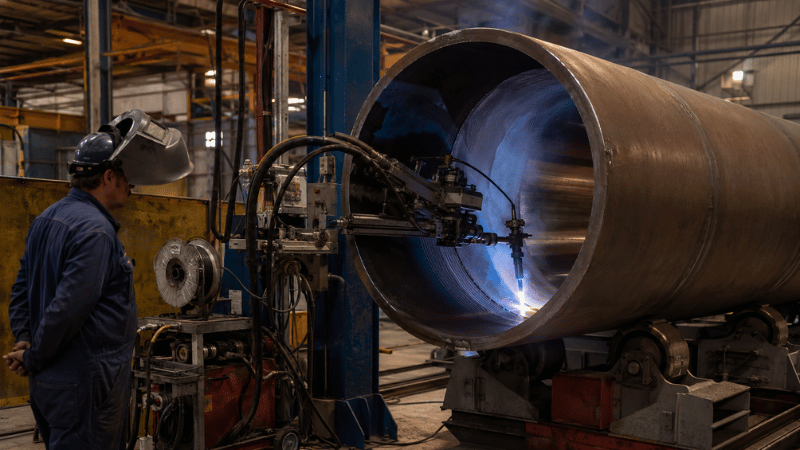
TIG Cladding Machine Selection Guide
A TIG cladding machine can produce corrosion-resistant overlays with excellent process control—provided the system actually…
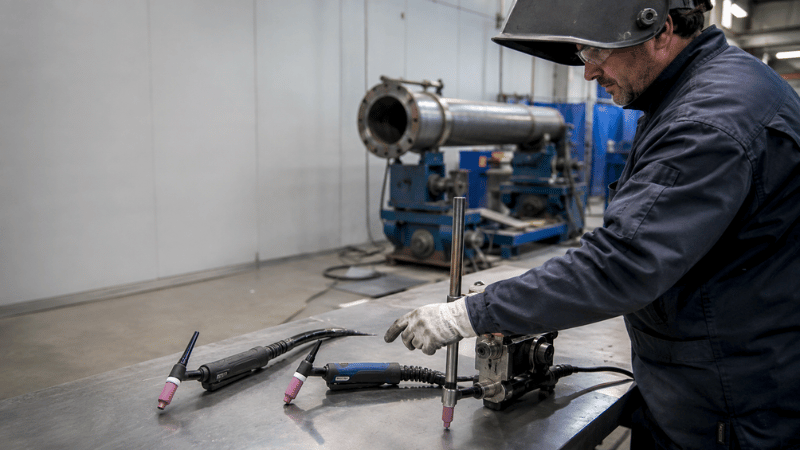
TIG Torch Selection Guide for Production Welding
Choosing a TIG torch by model number alone is like buying work boots by color.…
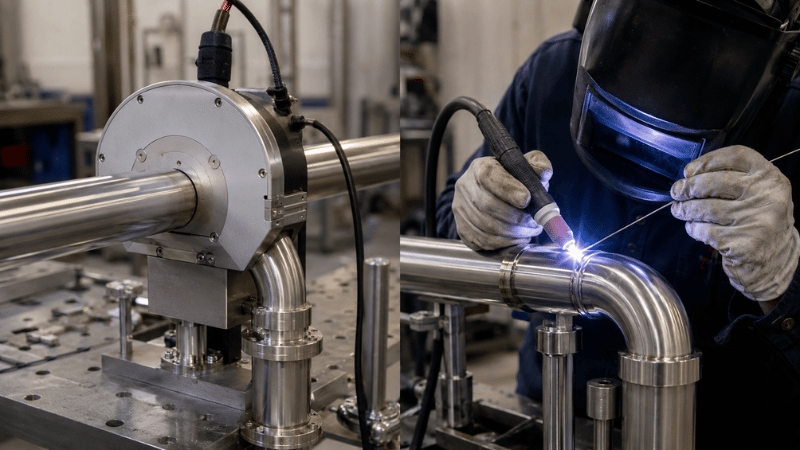
Orbital Welding vs Manual Welding for Sanitary Tubing
Choosing between orbital welding vs manual welding is not simply a contest between machines and…
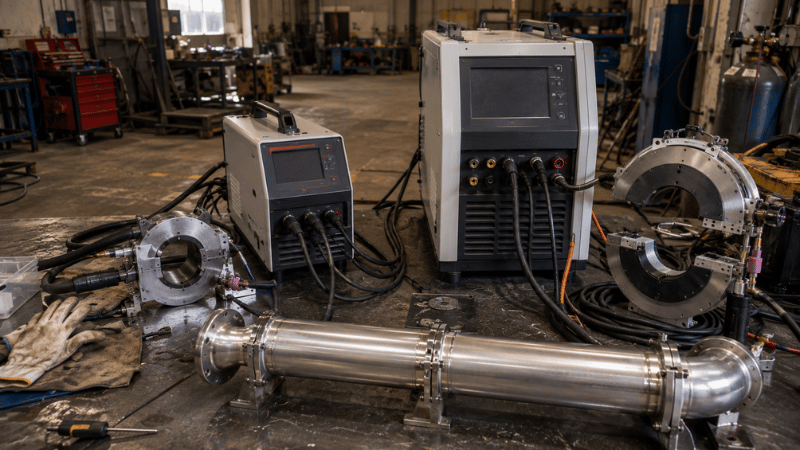
200 Amp vs. 400 Amp Orbital Welding Power Sources
Choosing an orbital welding power source is not an amperage contest. The largest number on…
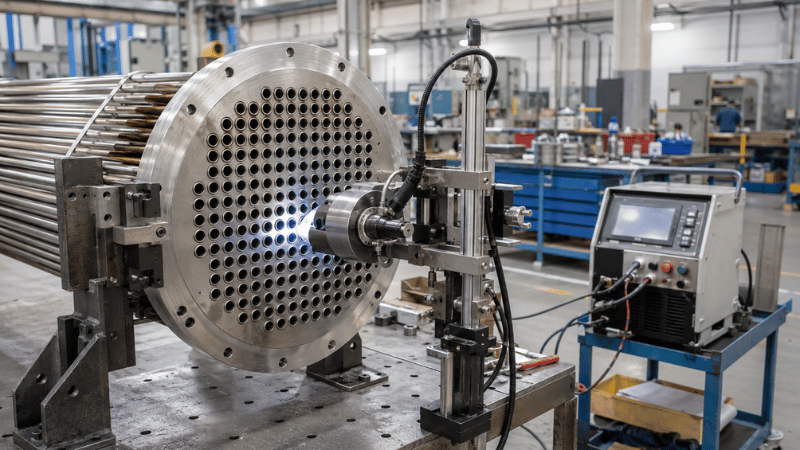
How to Choose a Tube-to-Tubesheet Welding Machine
Hundreds—or thousands—of nearly identical tube joints can turn manual welding into a test of stamina,…
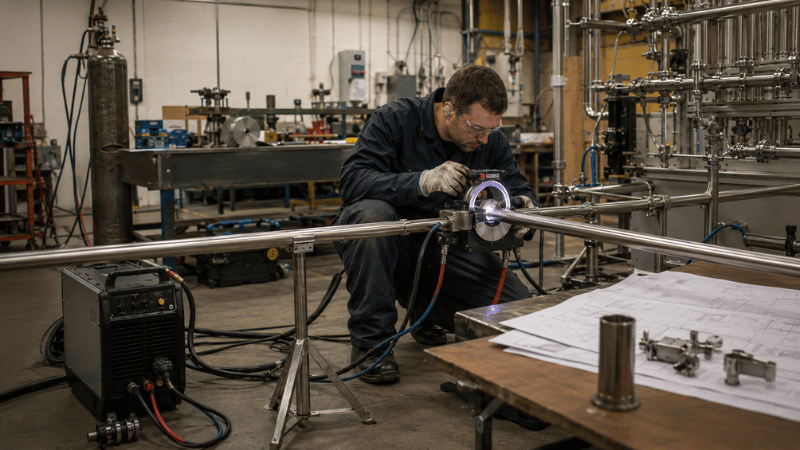
Orbital Welding for Semiconductor UHP Gas Lines
Semiconductor gas lines have no room for “close enough.” One contaminated weld can introduce particles,…