Industrial buyers are turning to turnkey manufacturing solutions because managing multiple suppliers, timelines, and responsibilities gets expensive fast.
This guide explains what industrial turnkey solutions include, when they work best, where they fall short, and how to choose the right partner without getting trapped by vague “full-service” claims.
What Is Turnkey Manufacturing?
What is turnkey manufacturing? It is a model where one provider manages the major stages of a manufacturing or industrial project, delivering a ready-to-run result with less coordination burden for the buyer.
In practice, that often includes broader ownership of sourcing, production, integration, testing, documentation, and handoff than standard contract manufacturing.
What “ready-to-run” means
“Ready-to-run” does not mean the buyer steps away completely. The provider handles more of the execution, while the buyer still owns business goals, approvals, compliance expectations, and internal alignment.
What is typically included
A typical end-to-end manufacturing services scope may include:
- design or engineering coordination
- sourcing and procurement
- fabrication or assembly
- quality assurance and testing
- logistics, installation, or deployment support
- documentation, training, and handoff
Turnkey vs contract manufacturing
Turnkey contract manufacturing usually means broader responsibility than standard contract manufacturing. A regular contract manufacturer may build to your drawings, while a turnkey partner often manages multiple project stages from sourcing through delivery.
How Turnkey Industrial Solutions Work
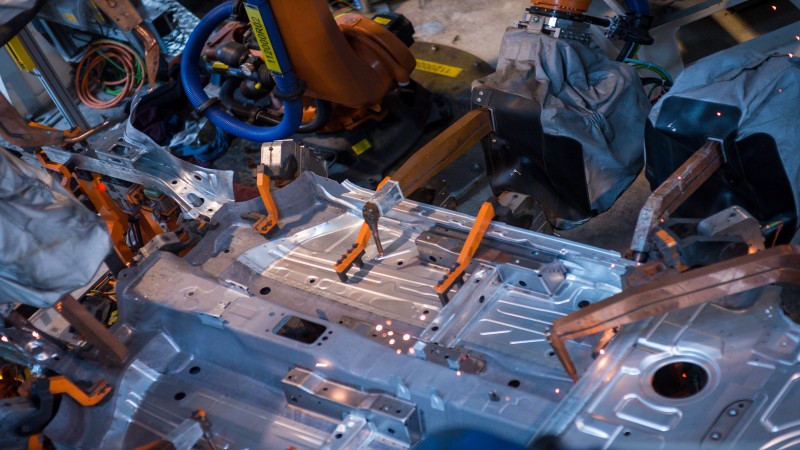
A turnkey project usually moves through requirements definition, design review, sourcing, production, testing, delivery, and post-launch support.
The key difference is accountability. In a turn key manufacturing model, one provider coordinates the chain instead of the buyer chasing several suppliers for answers.
What the buyer still owns
Even with a turnkey model, the buyer still owns:
- business goals
- approval checkpoints
- compliance requirements
- internal stakeholder alignment
Turnkey reduces management complexity, but it does not replace buyer oversight.
Benefits of Hiring a Turnkey Production Manufacturer
The biggest benefit of a turnkey production manufacturer is simpler execution with clearer ownership.
Key benefits
- fewer vendors and less coordination overhead
- faster project execution
- better cost visibility
- more consistent quality
- easier communication
- reduced handoff risk
- easier scaling for repeat production or multi-site rollout
A strong OEM manufacturing partner can reduce delays caused by fragmented sourcing and improve control across the project lifecycle.
When a Turnkey Manufacturer Is the Right Fit
A turnkey manufacturer is often the right choice when a project is complex, time-sensitive, and hard to manage across multiple suppliers.
It is especially useful for:
- new product launches with limited internal bandwidth
- industrial automation or production-line projects
- OEMs needing integrated sourcing and build support
- companies replacing fragmented supplier networks
- fast-growth teams that need speed without expanding internal operations
In short, turnkey works well when fragmentation is likely to create delays, rework, or confusion.
When Turnkey May Not Be the Best Option
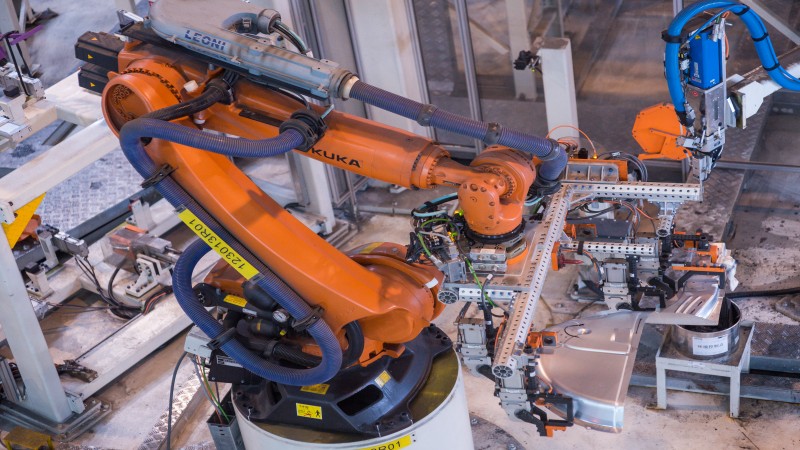
Turnkey is not the best fit for every project.
It may be less suitable when the buyer wants direct control over every supplier, when the build requires several niche specialists, when internal engineering and sourcing are already mature, or when the scope is still changing heavily.
This model fits buyers who prioritize speed, accountability, and coordination simplicity. It is less ideal for those focused only on lowest piece-part cost or maximum supplier-by-supplier control.
Turnkey Manufacturing vs Contract Manufacturing vs Multi-Vendor Sourcing
Here is the practical comparison buyers care about most.
| Model | Cost Predictability | Speed | Flexibility | Control | Handoff Risk |
|---|---|---|---|---|---|
| TURNKEY MANUFACTURING | HIGH | HIGH | MEDIUM | MEDIUM | LOW |
| 👷 EXPERT INSIGHT: The Turnkey model is the industrial standard for speed and accountability. By consolidating design, simulation, and assembly under ikratz, you eliminate the “Finger-Pointing Tax” common in multi-vendor projects. Ideal for complex BIW and Battery lines. | |||||
| CONTRACT MANUFACTURING | MEDIUM | MEDIUM | MEDIUM | HIGH | MEDIUM |
| 📝 NOTE: Works best when your internal engineering team is large and only requires external fabrication capacity. Note that internal management costs will be higher compared to turnkey. | |||||
| MULTI-VENDOR SOURCING | LOW-MED | LOW-MED | HIGH | V. HIGH | HIGH |
| ⚠️ WARNING: While offering maximum vendor control, this model carries the highest integration risk. Incompatibility between controls and mechanical interfaces can lead to weeks of commissioning delays onsite. | |||||
Which model fits best?
Choose turnkey manufacturing solutions when complexity is high, internal capacity is limited, and speed matters.
Choose contract manufacturing when your team already controls design, sourcing, and supplier coordination.
Choose multi-vendor sourcing when you want maximum control and have the internal resources to manage it.
Costs, Timelines, and ROI Expectations
The cost of industrial turnkey solutions depends on engineering complexity, custom components, sourcing risks, testing needs, installation support, and documentation depth.
Why lowest price is not always lowest total cost
A lower quote can still create higher total cost if the project suffers from delays, rework, defects, or heavy coordination overhead. Buyers should assess total execution cost, not just unit price.
How to evaluate ROI
ROI should include:
- reduced management burden
- fewer delays
- lower defect and rework risk
- faster revenue realization
Common Risks and Pitfalls in Turnkey Projects
Most turnkey problems come from unclear scope and weak execution discipline.
Common risks
- vague scope at kickoff
- weak documentation and change control
- unrealistic lead times
- poor fit between vendor capability and project complexity
- limited post-launch support
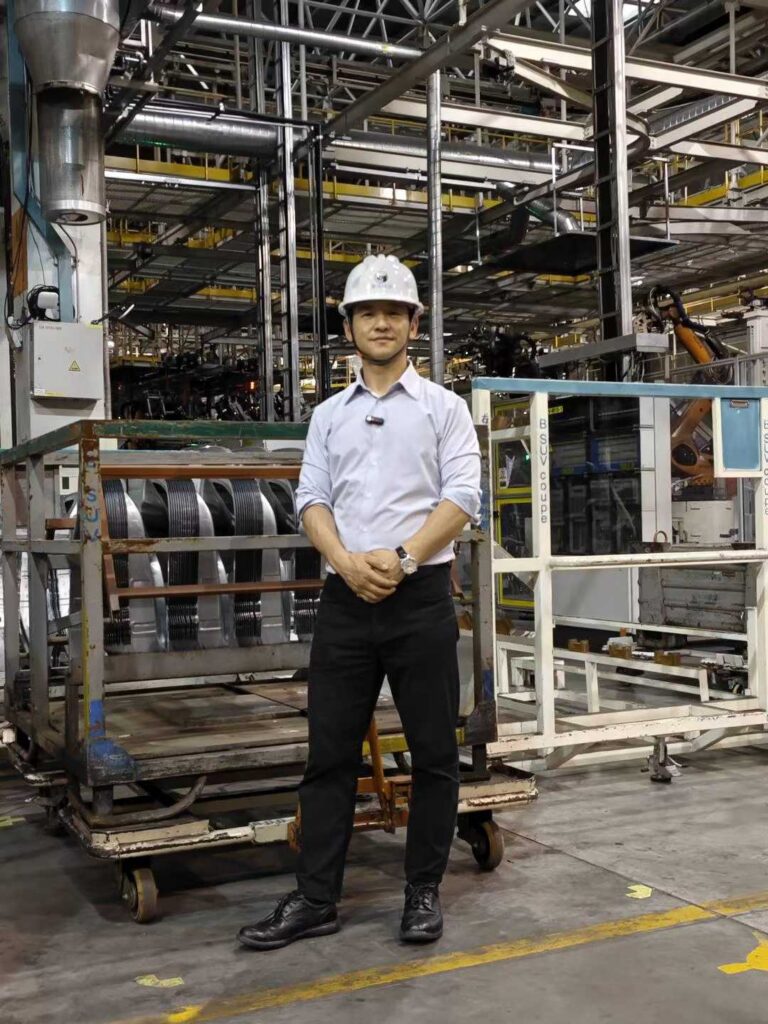
LOCATION: SHANGHAI YEAR: 2016 CLIENT: SAIC-VOLKSWAGEN
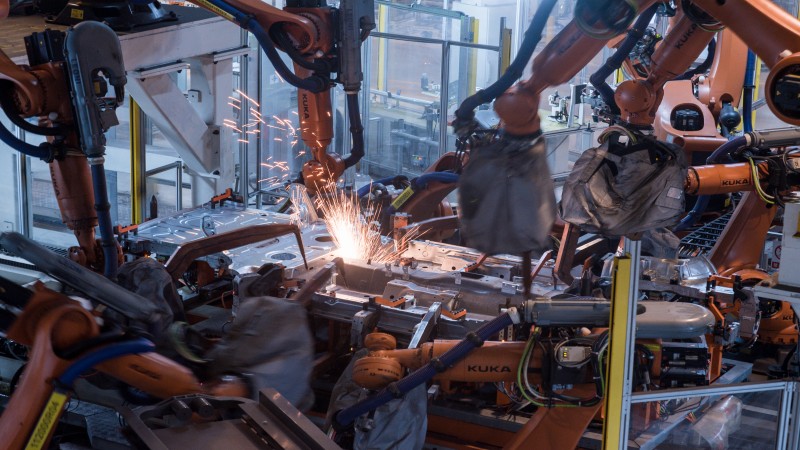
In 2016, during a high-stakes assembly line integration for SAIC-Volkswagen (SAIC-VW) in Shanghai, our engineering team encountered a critical bottleneck. A minor PLC communication protocol mismatch between the robotic controllers and the main line PLC led to a nearly one-day commissioning delay.
In a Just-In-Time (JIT) automotive environment, a single day's delay translates to massive downstream disruption. This wasn't a hardware failure; it was an integration gap—a risk inherent in non-turnkey models.
How to reduce those risks
- define acceptance criteria early
- require milestone reviews
- align escalation paths
- verify QA and traceability processes
- confirm post-launch responsibilities in writing
How to Choose the Right Turnkey Manufacturer
A single-source manufacturing partner should be evaluated on more than price and capacity.
Buyers should verify engineering depth, supply chain capability, manufacturing capacity, integration and testing resources, documentation discipline, change-control process, and post-launch support.
Useful questions include: Who owns design changes? How are delays communicated? What QA standards are followed? What happens after installation or launch?
Mini Case Study: Fragmented Sourcing vs Turnkey Delivery
Imagine an OEM launching a semi-automated packaging line with separate vendors for controls, fabrication, assembly, and installation.
In the multi-vendor model, communication gets messy, QA records vary, interfaces are missed, and delays grow. In a turnkey model, one provider coordinates sourcing, integration, testing, delivery, and launch support.
The takeaway is simple: turnkey is not always cheaper upfront, but it often reduces execution chaos, which can cost far more.
Best Practices for a Successful Turnkey Manufacturing Project
Successful projects usually follow the same rules:
- define scope and acceptance criteria early
- use milestone-based governance
- align testing, documentation, and compliance requirements
- plan handoff and support before production starts
- put assumptions and decision rights in writing
Conclusion
For industrial buyers, turnkey manufacturing solutions offer a practical way to reduce supplier fragmentation, improve accountability, and speed up execution.
The right choice depends on project complexity, internal bandwidth, compliance demands, and desired control. If multi-supplier coordination is creating risk and delay, turnkey may be the smarter model.
Need a Reliable Turnkey Manufacturing Partner?
Managing multiple suppliers can slow timelines, increase risk, and make quality harder to control. A capable turnkey partner helps simplify execution, improve coordination, and keep your project moving from sourcing to final delivery with greater confidence.
Talk to our team today to discuss your project scope, timeline, and production goals. We’ll help you determine whether a turnkey model is the right fit for your application.
Frequently Asked Questions
What is turnkey manufacturing in simple terms?
It is a model where one provider manages the main stages of a manufacturing or industrial project so the buyer receives a ready-to-run result with less coordination effort.
What are the main benefits of hiring a turnkey production manufacturer?
The main benefits are single-source accountability, faster execution, more consistent quality, easier communication, and lower risk from supplier fragmentation.
What should I look for in a turnkey manufacturer?
Look for relevant project experience, engineering and integration capability, quality systems, change-control discipline, clear communication, and dependable post-launch support.