Introduction: Half Ocean, Half Fire
Earning four figures an hour while dancing with an electric arc in the deep blue sounds unreal—but that’s underwater welding. It’s one of the world’s most mysterious, high-paying trades, and also one of the most dangerous.
Behind the paycheck lies a career built on pressure, precision, and discipline. This guide cuts through the myths to reveal the real risks, true pay rates, and exact steps to join the elite.
Underwater Welding: Two Ways to Perform Surgery in the Sea
What Is Underwater Welding?
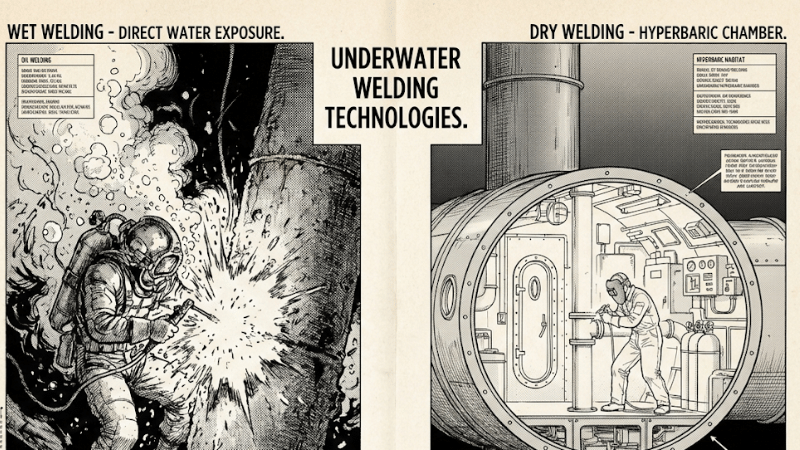
At its core, underwater welding is the process of joining or repairing metal structures below the waterline—think oil platforms, pipelines, ship hulls, and offshore wind foundations. Most of the work relies on arc welding underwater, adapted for extreme conditions.
Wet Welding: Fast, Dirty, and Necessary
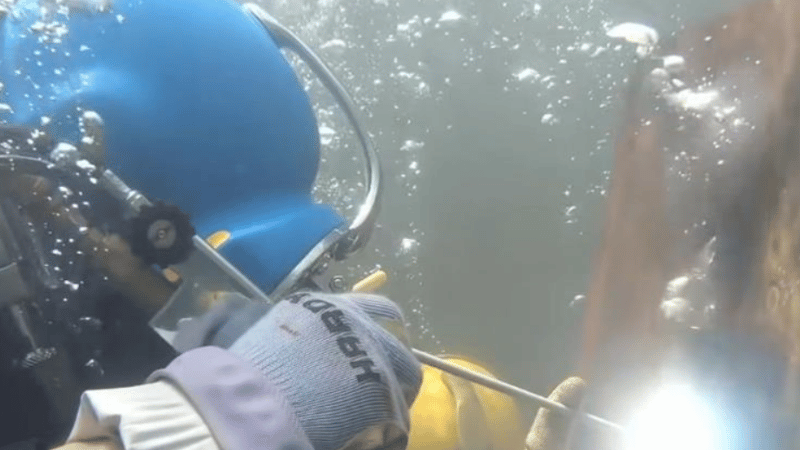
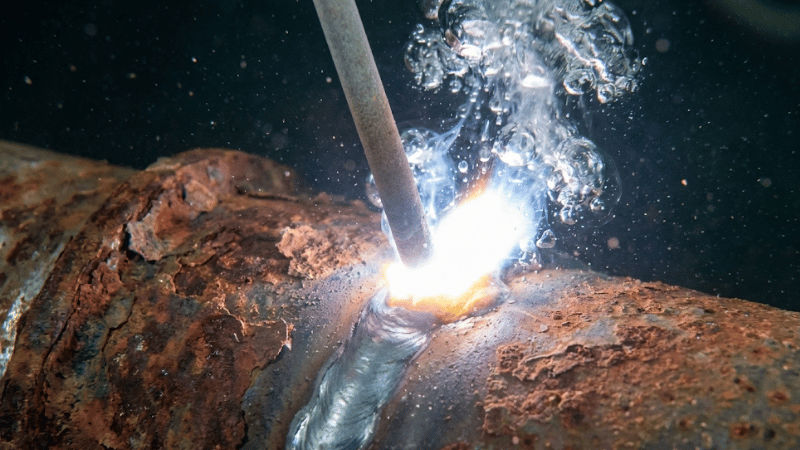
In wet welding, the diver is fully submerged, electrode in hand, striking an arc directly in the water.
Think of it like fixing your car engine in a thunderstorm—possible, sometimes essential, but never ideal.
Pros:
- Fast deployment
- Low setup cost
- Ideal for emergency repairs
Cons:
- Lower weld quality
- Limited visibility
- Higher safety risk
Dry (Hyperbaric) Welding: Precision at Depth
Dry welding uses a sealed hyperbaric habitat. Water is displaced, creating a dry chamber where welders work as if on land—just under crushing pressure.
It’s like pitching a high-tech tent on the ocean floor.
Pros:
- Exceptional weld integrity
- Full inspection and testing
- Used for critical infrastructure
Cons:
- Extremely expensive
- Long setup time
- Complex logistics
The Dark Side of the Paycheck: Real Dangers Below
Electric Shock & Drowning
Yes, electricity and water mix here—by design. While equipment is engineered for safety, constant vigilance is the only real protection.
Delta-P: The Silent Killer
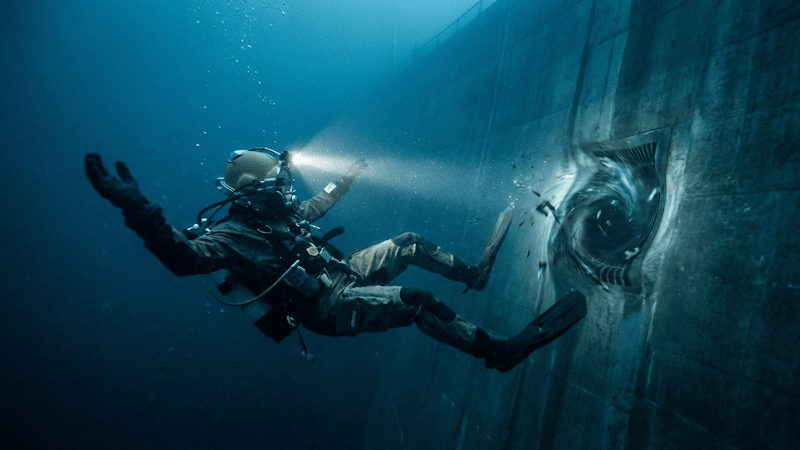
Delta-P (pressure differential) is more dangerous than sharks. A small pressure imbalance can pin a diver against an opening with irresistible force—no warning, no escape.
Gas Explosions
Arc welding splits water into hydrogen and oxygen. In confined spaces, those bubbles can ignite. One spark, catastrophic consequences.
Decompression Sickness & Nitrogen Narcosis
Extended depth exposure leads to decompression illness and nitrogen narcosis, impairing judgment and damaging joints and nerves over time. These aren’t “ifs”—they’re occupational realities.
Underwater Welding Pay Rate: What You Actually Earn
Let’s Kill the Million-Dollar Myth
Not every underwater welder becomes rich. This is a pyramid profession, where location, experience, and dive method determine income.
How Pay Is Calculated
Income usually combines:
- Base hourly wage
- Depth pay (the deeper, the higher)
- Project type (offshore, emergency, nuclear, etc.)
- Saturation diving bonuses
Realistic North American Income Ranges
- Entry-level Tender: $50,000–$80,000/year
- Experienced Diver Welder: $90,000–$150,000+
- Elite Saturation Diver: $200,000–$300,000+
High pay is real—but it’s earned inch by inch.
How to Become an Underwater Welder: The 4-Step Route
1️⃣ Become a Commercial Diver
You are a diver first, a welder second. Graduate from an accredited commercial diving school—no shortcuts.
2️⃣ Master Land-Based Welding
Before you weld underwater, you must dominate welding topside. Certifications aligned with standards from American Welding Society (such as D3.6M) are essential.
3️⃣ Combine Both Skills
Specialized programs and employer training integrate diving and welding into a single, high-risk skillset.
4️⃣ Start as a Tender
Everyone begins as a tender—handling tools, air lines, and safety systems. It’s the proving ground where reputations are built.
Conclusion
Underwater welding offers unmatched pay and pride—but demands elite fitness, mental resilience, and total respect for procedure.
Before chasing the salary, ask yourself: Can I stay calm, precise, and disciplined in cold darkness under crushing pressure?
If yes, few careers will ever match this one.
Take the Next Step
Built for Extreme Conditions
Professionals working in environments like this don’t gamble on equipment. Reliability, durability, and compliance aren’t features—they’re survival tools. Explore heavy-duty welding solutions engineered for the harshest industrial conditions.
➡️ Visit iKrtaz Website to See Professional Welding Equipment
Talk to People Who Understand the Risk
Every extreme project needs the right setup. iKratz specialists help match equipment to conditions—on land or offshore.
➡️ Submit an Inquiry & Project Specifications Today
Frequently Asked Questions
Q1: Do I need to be a welder before diving school?
A: Not mandatory, but strongly recommended. Solid welding skills accelerate training and dramatically improve job prospects.
Q2: What is saturation diving and why is it paid the most?
A: Saturation divers live under pressure for weeks, eliminating daily decompression. It’s efficient, dangerous, and extremely demanding—hence the pay.
Q3: How long does an underwater welding career last?
A: Typically 15–25 years. Many veterans transition into inspection, training, or supervisory roles later.