Orbital welding is a precise welding technique used to join pipes and tubing in critical industries. This article focuses on explaining its core principles, common applications, and advanced insights you need to know.
Many industries face challenges with ensuring consistent, high-quality welds, especially in environments where safety and integrity are paramount. Orbital welding addresses these issues by automating the process, reducing human error, and delivering repeatable results suitable for many applications. Understanding this technology becomes essential for professionals seeking reliable solutions in sectors like semiconductor manufacturing,heat exchanger and oil pipe.
Here, you will discover why orbital welding matters, how it operates, and the benefits it offers. Readers will gain clear, actionable knowledge that supports informed decision-making and improved project outcomes.
Orbital welding is an automated method designed for welding circular joints by rotating the welding arc around a stationary workpiece. This technique ensures uniform welds with minimal defects, ideal for small-diameter pipes and tubes. It employs mechanized torches controlled by precise computer programming, which eliminates typical human inconsistencies found in manual welding.
Orbital welding commonly utilizes the Tungsten Inert Gas (TIG) welding process (also known as gas tungsten arc welding), which uses a non-consumable tungsten electrode and inert shielding gas for precise, high-quality welds.
By maintaining a controlled environment inside the weld chamber and regulating various parameters such as speed, gas flow, and current, orbital welding achieves superior metallurgical properties and meets stringent industry standards. This approach radically improves weld quality, reduces rework, and enhances productivity in high-stakes applications.

Introduction to Orbital Welding
Orbital welding is a specialized welding process that automates the rotation of a welding arc around a static workpiece, most commonly a tube or pipe. Unlike manual welding, where the welder manipulates the torch by hand, the orbital welding process uses mechanized or automatic systems to move the welding arc with high precision and repeatability. This technique ensures that each weld is consistent in quality, minimizing the risk of human error and delivering superior results for critical applications.
The orbital welding process is particularly well-suited for joining pipes and tubes in industries where weld integrity is paramount, such as aerospace, semiconductor manufacturing, and pharmaceuticals. By maintaining a controlled arc path around the workpiece, orbital welding achieves uniform welds that meet stringent industry standards. The process is ideal for applications requiring precise, repeatable welds on circular joints, making it a preferred technique for high-purity and high-specification environments.
With its focus on precision, repeatability, and process control, orbital welding has become an essential technique for industries that demand the highest levels of weld quality and reliability.
History and Development of Orbital Welding
The origins of orbital welding can be traced back to the 1950s, when the aerospace industry sought a solution for producing reliable welds in spacecraft and rocket components. The need for consistent, high-quality welds in these critical applications led to the development of the first orbital welding systems, which automated the process and reduced the variability inherent in manual welding.
As technology advanced, so did orbital welding. The introduction of more sophisticated power sources, improved weld heads, and advanced control systems allowed for greater precision and efficiency. The integration of robotics and computer control further enhanced the process, enabling real-time monitoring and adjustment of welding parameters for optimal results. These innovations expanded the use of orbital welding beyond aerospace, making it a standard in industries such as power generation, petrochemical, and food and beverage processing.
Today, orbital welding is recognized for its ability to deliver reliable welds with exceptional quality and consistency. Its evolution reflects ongoing advancements in control systems and automation, ensuring that the process continues to meet the demanding requirements of modern manufacturing across a wide range of industries.
How Orbital Welding Works
Orbital welding automates the welding process by rotating the welding arc 360 degrees around a stationary workpiece. This method ensures a uniform, high-quality weld without manual intervention. You can achieve consistent, repeatable welds, especially on pipes and tubular components, by controlling parameters through specialized equipment.
To dive deeper, orbital welding uses a mechanized welding head—one of the essential welding heads in orbital welding systems—that moves precisely along the circumference of the pipe or tube. The system controls critical variables such as travel speed, current, voltage, shielding gas flow, arc length, welding speed, and pulse frequency to minimize human error and contamination. The process often employs Tungsten Inert Gas (TIG) welding, which provides excellent control over heat input and weld penetration.
This technique excels in industries requiring stringent quality, like aerospace, pharmaceuticals, and semiconductor manufacturing, where contamination or inconsistency would be unacceptable. Additionally, orbital welding reduces rework and enhances safety by limiting operator exposure to intense heat and fumes.
Here’s a brief overview of key components in orbital welding systems:
| Component | Importance | |
|---|---|---|
| Welding Head | Rotates arc around the component | Ensures uniform weld |
| Power Supply | Delivers controlled current and voltage | Controls heat and penetration |
| Control Unit | Manages welding parameters and timing | Improves repeatability |
| Shielding Gas Supply | Provides inert gas to protect weld pool | Prevents oxidation and defects |
Understanding how these parts interact helps operators optimize processes, reduce defects, and maintain high productivity. When used properly, orbital welding delivers unparalleled precision and efficiency, reducing downtime and costs.
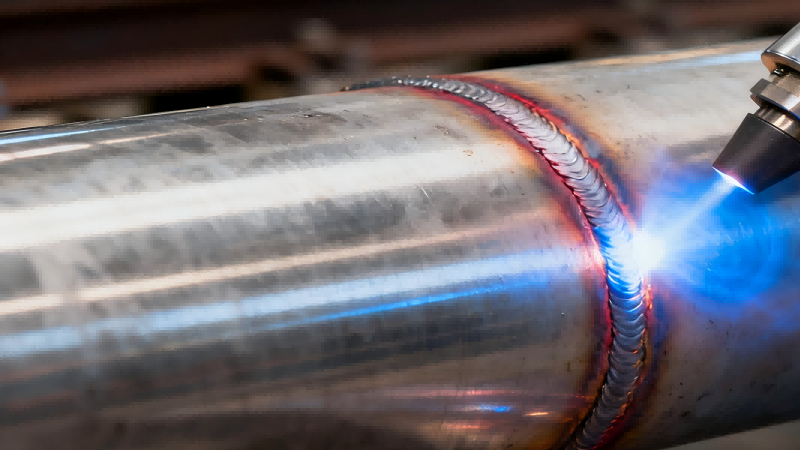
Orbital welding system demonstrating 360-degree automated welding on stainless steel pipe
Orbital Welding Equipment
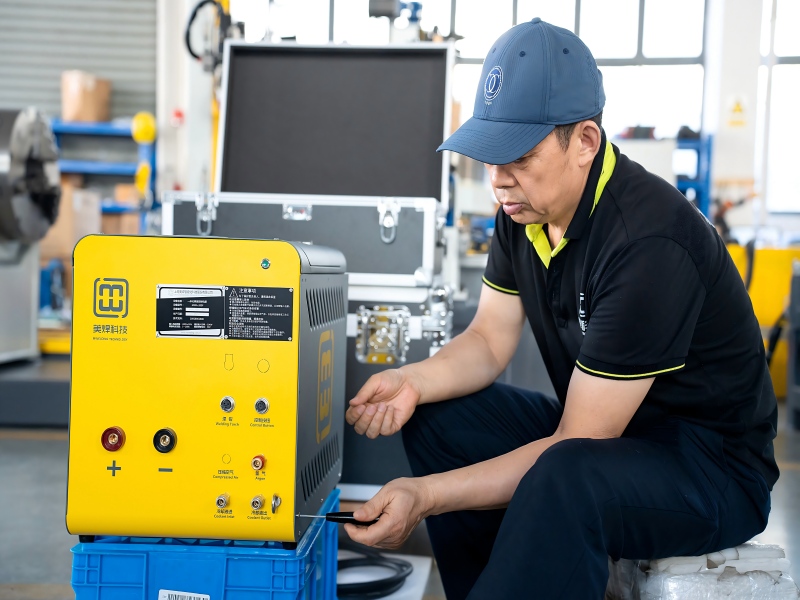
Orbital welding equipment is engineered to deliver precise and consistent welds, even in the most demanding applications. The core components of an orbital welding system include the power source, weld head, wire feeder, control systems, and a range of specialized accessories.
The power source provides the electrical energy necessary to generate and sustain the welding arc, ensuring stable heat input for the process. The weld head, which holds the electrode, is designed to rotate smoothly around the workpiece, creating a uniform weld bead. For applications requiring filler material, wire feeders deliver a continuous supply of wire directly to the weld pool, supporting strong and defect-free joints.
Control systems are at the heart of orbital welding equipment, automating the process and allowing for precise adjustment of welding parameters. These systems can be programmed to optimize the arc, travel speed, and other variables, ensuring that each weld meets the desired quality standards. Additional accessories, such as cooling units and gas management systems, further enhance the performance and reliability of the equipment.
Selecting the right orbital welding equipment depends on factors such as the application, material type, and required weld quality. By choosing the appropriate tools and systems, manufacturers can achieve superior results and maintain high productivity in their welding operations.
Step-by-Step Orbital Welding Process
Orbital welding involves a carefully controlled sequence of steps to ensure precise, consistent welds, especially in critical applications like aerospace and pharmaceuticals. The process begins with thorough preparation, including cleaning and aligning the pipes or tubes. Achieving a proper fit between components is essential to ensure high-quality welds and system integrity. Clamps are often used to secure and align the pipes or tubes during setup, maintaining joint stability throughout the welding process. Next, you place the welding head around the joint and program the welding parameters, such as current, speed, and shielding gas flow. Once activated, the welding machine rotates the arc around the joint automatically, producing a uniform weld bead without operator intervention.
Understanding each step helps you achieve the high-quality welds orbital welding promises. The preparation phase demands exceptional cleanliness; the surface of the components must be free from contaminants, as these can cause weld defects that compromise the integrity. Proper alignment ensures the weld geometry meets design specifications, affecting both strength and appearance. Setting accurate welding parameters is critical; incorrect settings can lead to undercut, porosity, or incomplete fusion, impacting the joint’s reliability.
The automated rotation of the welding head allows for consistent heat input and penetration, making it superior to manual welding in repetitive tasks. Also, shielding gas, typically argon, protects the molten weld from oxidation, preserving weld quality. Monitoring systems often track parameter adherence, enabling fault detection early. By mastering these individual steps—cleaning, alignment, parameter programming, controlled welding, and monitoring—you can reduce errors, increase efficiency, and meet stringent industry standards for orbital welds.
orbital welding head in operation on pipeline
Welding Parameters and Control
The success of the orbital welding process hinges on the careful control of welding parameters, including welding current, voltage, and travel speed. These variables directly influence weld quality, penetration, and the overall reliability of the finished joint. Achieving consistent and reliable welds requires precise management of these parameters throughout the welding cycle.
Modern orbital welding systems utilize advanced control systems, often incorporating computer technology and artificial intelligence, to monitor and adjust welding parameters in real time. These intelligent systems can automatically optimize settings based on the specific requirements of each weld, ensuring uniformity and reducing the risk of defects. Sensors and monitoring devices are frequently integrated to detect any deviations from the programmed parameters, allowing for immediate corrective action and maintaining high weld quality.
By leveraging advanced control systems and real-time data analysis, manufacturers can achieve unparalleled consistency and reliability in their orbital welds, meeting the rigorous standards demanded by critical industries.
Shielding Gas and Welding Environment
Shielding gas plays a vital role in the orbital welding process by protecting the weld pool from atmospheric contamination. Commonly used gases such as argon or helium create an inert environment around the weld, preventing oxidation and ensuring a clean, high-quality weld. The selection of the appropriate shielding gas and the precise control of its flow rate are essential for achieving optimal weld quality and penetration.
In addition to shielding gas, the welding environment itself—encompassing factors like temperature, humidity, and air quality—can significantly impact the outcome of orbital welds. Maintaining a clean, dry, and controlled environment helps to minimize the risk of defects such as porosity or contamination. Advanced shielding gas management systems and environmental control solutions are often employed to ensure that welding conditions remain ideal throughout the process.
By prioritizing proper shielding and environmental controls, manufacturers can consistently produce orbital welds of the highest quality, with improved penetration and reduced risk of defects, supporting the stringent requirements of industries where weld integrity is non-negotiable.
Benefits and Limitations of Orbital Welding
Orbital welding offers distinct advantages and some limitations that impact its adoption across industries. It ensures precise, high-quality welded joints that reduce human error and improve repeatability. However, it requires specialized equipment and trained operators, which can increase upfront costs. Understanding these benefits and constraints helps you decide if orbital welding suits your project’s specific needs.
The primary benefit of orbital welding lies in its automation and consistency. By controlling the weld head’s rotation around the pipe or tube, it produces uniform seams, crucial when working with challenging materials like stainless steel or titanium. This method minimizes contamination and weld defects, leading to enhanced structural integrity in the welded connections. For industries such as aerospace, pharmaceuticals, and semiconductors, these qualities prove indispensable. On the downside, orbital welding’s reliance on complex, expensive machinery means smaller operations might find the investment prohibitive. Additionally, setup times can be lengthy, especially for customized weld paths, slightly reducing efficiency for short-run tasks.
Orbital welding systems can be adapted for different applications, accommodating a wide range of industry requirements—from heat exchanger manufacturing to tube-to-tubesheet welding—ensuring optimal results across diverse sectors.
The table below summarizes key benefits and limitations to clarify their impact:
| Aspect | Benefits | Limitations |
|---|---|---|
| Quality & Consistency | Precise, defect-free welded joints repeatedly | Requires high operator skill |
| Automation | Reduces manual intervention and errors | Significant initial capital investment |
| Application Range | Effective on complex, critical joints and different applications | Setup time can be substantial |
| Material Compatibility | Excellent for high-grade metals | Limited flexibility on irregular shapes |
These factors illustrate why orbital welding remains favored for critical, high-spec fabrication but less common for simple, low-volume jobs. Balancing cost against quality gains is essential when considering this technology, as orbital welding also provides support for meeting industry standards and safety requirements.
For a deeper understanding, consider that the automated process also reduces exposure to harmful fumes and enhances workplace safety, which is harder to quantify but equally valuable. Plus, advances in software and robotic controls continuously expand orbital welding’s capabilities. Knowing these nuances equips you to make informed decisions aligning with your operational goals.
Orbital Welding Applications and Industry Usage
Orbital welding finds broad applications across industries where consistent, high-quality welds are mandatory. You will commonly see this technology used in sectors such as aerospace, pharmaceuticals, food processing, semiconductor manufacturing, and petrochemicals. These solutions are specifically tailored for business and enterprise needs, ensuring that companies benefit from professional-grade reliability and compliance. Its ability to deliver precise, repeatable weld seams ensures integrity and safety, especially in environments demanding strict contamination control or resistance to extreme pressures and temperatures.
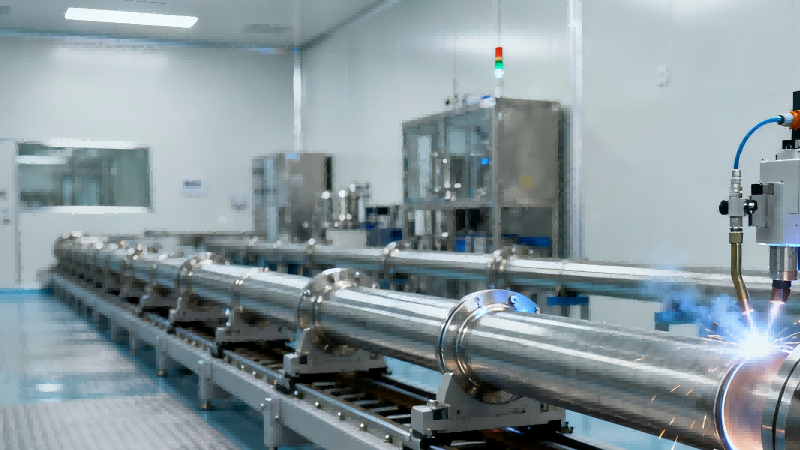
Beyond typical pipe fabrication, orbital welding excels in automated production lines and remote locations where human access is limited. The implementation process is crucial here, involving specialized training and careful setup to ensure optimal integration and operation. For example, in nuclear power plants, orbital welding provides reliable, defect-free joints essential for safety and regulatory compliance. Similarly, in pharmaceutical production, its cleanliness and precision help meet stringent FDA standards, reducing the risk of contamination.
Delving deeper, orbital welding’s advantages stem from its mechanized control of the welding arc and speed, eliminating human variability. As an extension of a company’s manufacturing capabilities, this technology greatly reduces defects like porosity and incomplete fusion, which are common in manual welding. Additionally, the method supports welding of various materials, including stainless steel, titanium, and nickel alloys, which are critical in corrosive or high-purity environments.
To summarize, orbital welding’s wide-ranging industrial adoption results from its unmatched reliability, consistency, and ability to meet rigorous standards. Whether you are working in critical infrastructure or high-tech manufacturing, understanding these applications helps you appreciate how this welding technique safeguards product quality and operational safety.
For further technical insights, you can explore our detailed sections on orbital welding parameters and automation strategies, or reference materials from the iKratz and the International Institute of Welding (IIW, www.iiwelding.org) for industry standards and certification protocols.
Advanced Considerations and Troubleshooting
When facing challenges in orbital welding, understanding the root causes and solutions becomes critical. Common issues include weld inconsistencies, porosity, and equipment malfunctions. Addressing these effectively requires both technical know-how and practical troubleshooting steps to ensure consistent, high-quality welds.
Delving deeper, advanced troubleshooting starts with evaluating the welding environment, including monitoring and adjusting for environmental conditions. For example, inert gas contamination, improper flow rates, or variations in temperature and humidity often cause weld defects such as porosity or oxidation. Monitoring gas purity through inline analyzers can preempt issues. Additionally, the precision of weld head alignment plays a pivotal role; misalignment frequently results in incomplete fusion or uneven weld beads. Regular calibration of orbital welders prevents such problems.
Another critical factor is the operator’s expertise combined with automated system settings. Even though orbital welding offers repeatability, incorrect program parameters can degrade weld quality. Utilizing diagnostic software to review weld data helps pinpoint parameter anomalies rapidly. Finally, equipment maintenance schedules influence performance reliability. Components like power sources, cooling systems, and wire feeders must undergo routine checks to avoid unexpected failures.
| Common Issue | Possible Cause | Recommended Action |
|---|---|---|
| Porosity | Inert gas contamination | Verify gas purity, adjust flow rate |
| Weld Inconsistency | Misaligned weld head | Perform regular alignment checks |
| Equipment Failure | Lack of maintenance | Follow scheduled maintenance plans |
| Parameter Errors | Improper program settings | Use diagnostic software for audit |
Addressing these issues proactively strengthens weld integrity and minimizes downtime. For further insights, consult industry standards such as AWS D17.1 and ISO 4063, which provide comprehensive guidelines on orbital welding best practices. For complex troubleshooting or unique applications, consider seeking advice from industry experts to ensure optimal results. Technician inspecting orbital welding equipment for troubleshooting
For more information on optimizing orbital welding operations, explore our detailed guides on parameter selection and weld quality inspection within this site or visit authoritative resources like the American Welding Society’s official publications.
Orbital Welding Training and Certification
Orbital welding training and certification ensure that welders master the precise techniques and safety measures essential for this automated process. These programs emphasize education as a key component, equipping professionals with the skills to consistently produce high-quality welds in challenging environments, meeting strict industry standards.
Delving deeper, the rigorous training covers equipment setup, parameter calibration, and troubleshooting to minimize errors. Certification bodies like the American Welding Society (AWS) and the American Society of Mechanical Engineers (ASME) validate competency by testing both practical skills and theoretical knowledge. The certification process often involves writing applications or documentation to demonstrate qualifications. Holding these certifications significantly improves job prospects and demonstrates commitment to quality and safety. Furthermore, ongoing training keeps welders updated on evolving technologies, making certification a vital step in advancing within the field.
Environmental and Safety Aspects
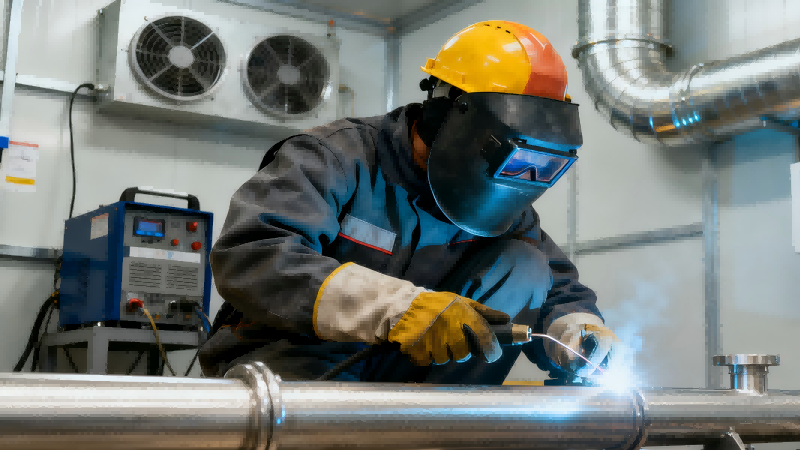
Orbital welding involves complex processes that demand strict environmental and safety controls. Ensuring proper ventilation and controlling harmful fumes is crucial to protect technicians from respiratory hazards. Additionally, operators must use personal protective equipment (PPE) including gloves, helmets, and eye protection to prevent burns, UV exposure, and electrical shock.
Putting comprehensive safety protocols into practice is essential for creating a safe working environment. Beyond individual safety, maintaining a clean workspace helps minimize fire risks, especially since orbital welding generates intense heat. Hazardous gas management, such as controlling argon or nitrogen supplies, further safeguards both personnel and equipment. Employers should implement comprehensive safety training programs and regularly inspect welding machines for faults.
Understanding these environmental and safety measures is essential. Not only do they comply with standards like OSHA and ISO 14731, but they also reduce workplace accidents by up to 60%—a critical factor for long-term project success. Adopting best practices ensures both personnel welfare and sustained operational efficiency in orbital welding environments.
FAQs About Orbital Welding
Orbital welding often raises many technical and practical questions. At its core, orbital welding automates weld rotation around the workpiece, ensuring consistent, high-quality welds in critical applications. This process suits pipes and tubes in industries like aerospace, pharmaceuticals, and semiconductor manufacturing, where precision and repeatability are non-negotiable.
When considering new orbital welding technologies or innovations, it is important to check the patent status to ensure the technology is proprietary and to understand any patent application or protection that may apply.
Diving deeper, you may wonder about common concerns such as equipment setup, material compatibility, and quality control. Orbital welding machines require precise calibration tailored to each weld joint’s specifications. The technology supports various materials—stainless steel, titanium, and nickel alloys—thanks to its controlled heat input, minimizing defects. Additionally, advanced monitoring systems check key weld parameters in real time, ensuring compliance with stringent standards like ASME Section IX and ISO 15614. Addressing these FAQs enables you to grasp how orbital welding reduces human error and improves efficiency in critical fabrication projects.
FAQ
How do I request technical support or additional information about iKratz orbital welding systems?
You can submit a formal request through our website’s contact form or reach out to our technical support team directly for detailed assistance and documentation.
Conclusion and Future Outlook
Orbital welding stands as a pivotal technology in modern manufacturing, offering unmatched precision and consistency. Its automated process significantly reduces human error, enhances weld quality, and supports complex geometries, making it indispensable across industries such as aerospace, pharmaceuticals, and nuclear energy.
Looking ahead, advancements in sensor integration and real-time monitoring promise to elevate orbital welding’s efficiency further. Emerging applications in additive manufacturing and smart factories will likely expand its role. Companies investing in up-to-date equipment and comprehensive training will gain a competitive edge. Organizations and research institutions may also seek a grant to support the adoption or development of advanced orbital welding technologies. To stay relevant, practitioners should closely follow evolving standards and embrace digital transformation, ensuring orbital welding remains a cornerstone of high-quality fabrication.