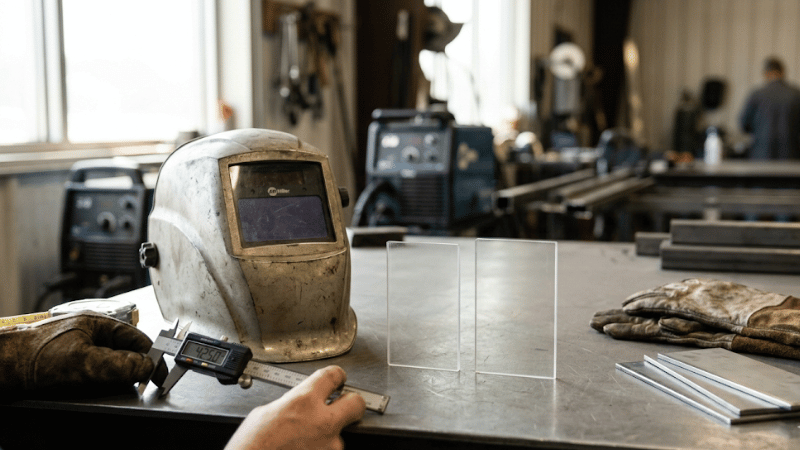
Ordered a “2×4 clear lens” and it didn’t fit? You’re not alone. Most people aren’t buying the wrong lens, they’re buying the wrong meaning of “2×4.”
Also, “clearest” can mean cover lens clarity or weld-view clarity. We’ll fix both without turning this into a PhD in Rectangles.
What Competitor Articles Usually Miss (and What You’ll Learn Here)
Cover vs viewing vs auto-darkening (stop the category chaos)
Most “best lens” posts mix welding helmet clear cover lens, passive shade plates, and auto-darkening cartridges. That’s how you end up with a great product for the wrong part.
Fit method for 2×4 vs 2×4.25
“2×4” is often shorthand for 2″ x 4.25″. Measure the old lens and shop by exact dimensions, not a title written by someone who’s never met your hood.
A clarity + durability scorecard
We’ll prioritize fit certainty + clarity retention, not just “looks clear out of the bag.”
First: Identify What You’re Replacing
Clear cover lens (outer/inner protector)
A cover lens is the sacrificial shield. It takes scratches and spatter so your expensive parts don’t.
Signs it’s a cover lens:
- Replaced often
- Scratch/spatter pitting
- Usually sold in multi-packs
Viewing lens vs auto-darkening cartridge
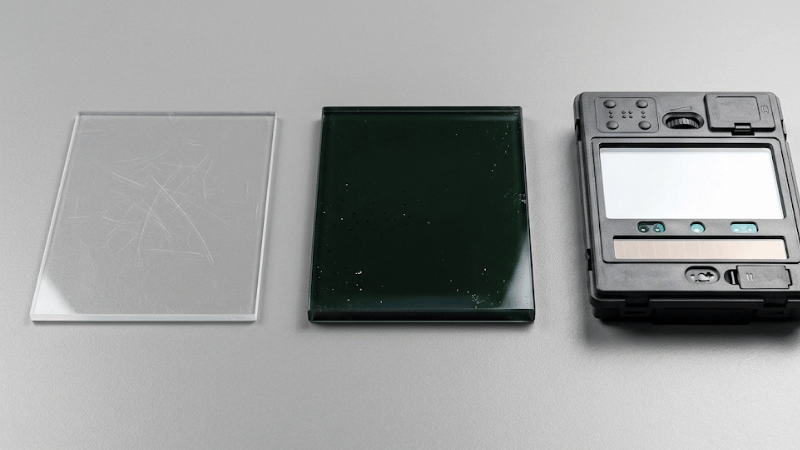
A viewing lens is typically a passive shaded plate. An auto-darkening unit is an electronic cartridge and may not follow 2×4 sizing.
30-second checklist
- Clear + thin → likely cover lens
- Dark fixed shade → likely viewing lens
- Sensors/battery → auto-darkening cartridge
2×4 vs 2×4.25 Fitment Guide
Why “2×4” often means 2″ x 4.25″
Many listings say “2×4” but actually sell 2″ x 4.25″, especially on pipeliner-style setups. If your lens measures 4.25″, that’s your truth.
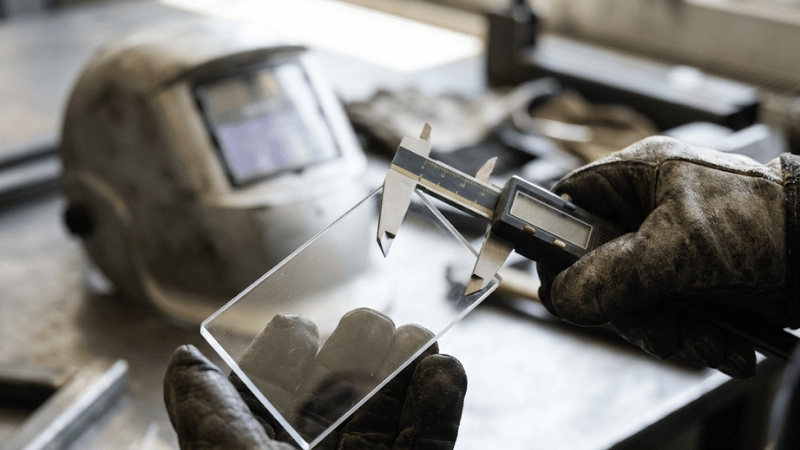
How to measure correctly
Measure the lens you removed:
- Width (usually 2″)
- Length (4″ vs 4.25″)
- Thickness (matters for retainers)
Thickness matters
Thin polycarbonate flexes. Thicker glass seats differently. If your retainer is tight, thickness can be the difference between “snug” and “why is this falling out?”
“Universal fit” warning
If there are no exact dimensions listed, assume “universal” means “universally annoying.”
Materials That Look Clear (But Age Differently)
Polycarbonate clear lenses
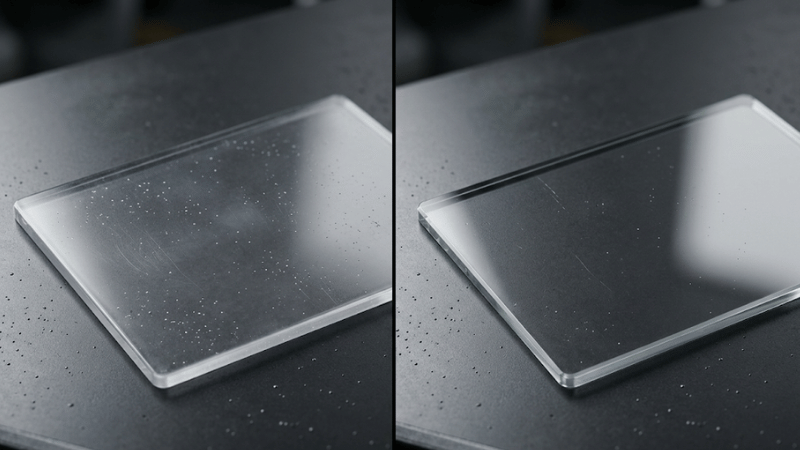
Pros: impact resistant, cheap, great for frequent swaps.
Cons: scratches faster; wiping grit kills clarity.
Clear glass cover lenses
Pros: often stays clearer longer; better scratch feel day-to-day.
Cons: can break; less forgiving in rough field handling.
Coatings and “anti-scratch” claims
If coating claims aren’t paired with meaningful specs or care instructions, treat them like “extra crispy” on a menu. Nice if true, not your core decision.
What “Clearest While Welding” Really Means
Light-state clarity (before the arc)
Better light-state clarity reduces head-bob positioning and improves joint alignment. If it feels like you’re welding through an aquarium, your cover lens is overdue.
Weld-view clarity (during the arc)
If you installed a fresh cover and the puddle still looks muddy, the issue may be your viewing lens or cartridge. Don’t keep buying clearer protectors to fix a problem behind them.
Safety note: clarity isn’t protection
Shade selection and proper PPE still rule. If you need a quick safety refresher, read the OSHA welding eye protection fact sheet.
Safety Standards: What to Verify
ANSI Z87.1 and CSA basics
If compliance matters, verify markings and documentation. Don’t assume any clear plate is “rated” because it looks official.
Start with the ANSI/ISEA Z87.1 overview for what markings and performance categories typically mean.
Who this guidance is for
- Not a substitute for training or manufacturer instructions
- Grinding/cutting/high-spatter work may require different protection
- Employer and site rules override general advice
Best Options by Use Case (Quick Guidance)
Want the clearest cover lens day-to-day?
In cleaner environments, glass often wins on clarity retention. In rough field work, polycarbonate’s toughness and cheap swaps can be the smarter play.
Want improved weld-view clarity?
That’s usually a viewing-lens or cartridge decision. If your cover is fresh and visibility still stinks, stop blaming the protector.
Running a shop?
Bulk buys win when paired with a strict swap schedule. “Run it until terrible” quietly drains productivity, visibility, and sometimes quality.
Comparison Matrix: Simple Scorecard (1–5)
Rate candidates on:
- Fit certainty (exact size listed)
- Clarity out of box
- Clarity retention (scratch/spatter resistance)
- Safety markings (if applicable)
- Cost per day (not per lens)
Quick picks by profile:
- Field welder: clarity retention + durability + storage discipline
- Shop welder: bulk + fast swaps
- Apprentice/hobbyist: correct size + fresh covers + better habits
Common Mistakes (And Fast Fixes)
Dry-wiping grit
Blow or rinse first, then wipe soft. Dry-wiping is basically micro-sanding with confidence.
Running covers too long
If the hood “feels darker” without changing shade, swap the cover. Haze is sneaky and your eyes adapt until your neck starts doing overtime.
Bad storage
Loose lenses in a tool bag equals free scratches. Use sleeves or a small hard case.
Experience Notes: Keeping Lenses Clear Longer
Signs you’re overdue
- More head repositioning
- “Where’d the puddle go?” moments
- Sloppier starts and tacks
Pocket swap checklist
Carry a few outer covers, an inner (if used), a soft wipe, and something to keep lenses protected. Swap before tie-ins, inspections, or anything you really don’t want to redo.
Quick Fitment Walkthrough (2 Minutes)
- Pull the old lens and measure width x length x thickness
- Match exact dimensions in listings
- Watch for “2×4” titles hiding 2×4.25 reality
- Avoid listings with missing dimensions or vague compatibility
Conclusion
Most “2×4” lens headaches aren’t about quality, they’re about fit. Measure your old lens first because “2×4” often means 2″ x 4.25″, and that extra 0.25″ is the difference between snug and annoying.
Once fit is locked, “clearest” comes down to choosing the right category (cover lens vs viewing lens) and the right material for your environment. Fresh covers, smarter handling, and a simple swap routine keep your view sharp and your posture less miserable.
Take the Next Step
Make 2×4 Lens Clarity Repeatable, Not Guesswork
Great results come from confirming 2×4 vs 2×4.25 fit, picking the right part (cover lens vs viewing lens), and choosing material for clarity retention. Skip wrong-size orders and haze—get a clear plan before you restock.
➡️ Visit iKratz to Explore 2×4/2×4.25 Welding Lens Solutions
Get a Fit Check + Swap Plan
Dimensions, material (poly vs glass), swap cadence, and basic safety checks—clarity is a system decision. iKratz turns your hood type and job conditions into a practical shortlist you can buy confidently.
➡️ Submit an Inquiry and Project Specifications Today
Frequently Asked Questions
Q1: Is a “clear welding lens 2×4” the same as an auto-darkening lens?
A: Usually no. “Clear 2×4” most often means a clear cover lens. Auto-darkening units are cartridges with different dimensions—confirm the part first.
Q2: What size is a 2×4 welding lens really, 2×4 or 2×4.25?
A: Many listings use “2×4” as shorthand for 2″ x 4.25″. Measure the lens you removed (width, length, thickness) and match exact dimensions.
Q3: Which is clearer and lasts longer, polycarbonate or glass cover lenses?
A: Glass often stays clearer longer and resists fine scratching better, while polycarbonate is impact-tough and ideal for frequent swaps. Choose based on your spatter/scratch rate and handling conditions.